
In a region where ambient temperatures regularly exceed 45°C, cooling accounts for a large share of a building’s total energy consumption. BIM-driven energy analysis is helping design teams across the GCC reduce that burden — modeling thermal performance, optimizing HVAC layouts, and supporting the path to net zero from the earliest design stages.
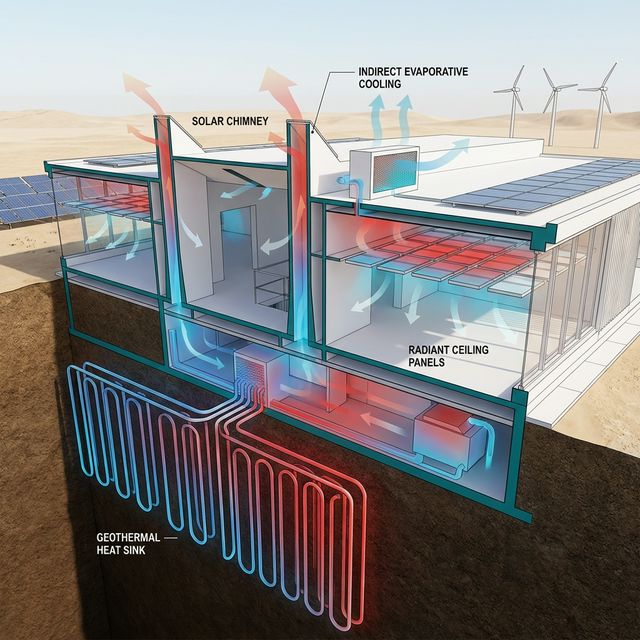
The Cooling Challenge in the GCC
Buildings in the Gulf region face a unique set of environmental pressures. High ambient temperatures, intense solar radiation, humidity in coastal cities, and sand-laden winds all affect building performance. Cooling systems in the Middle East can account for over 60% of a commercial building’s total energy use — a figure that traditional design approaches struggle to bring down.
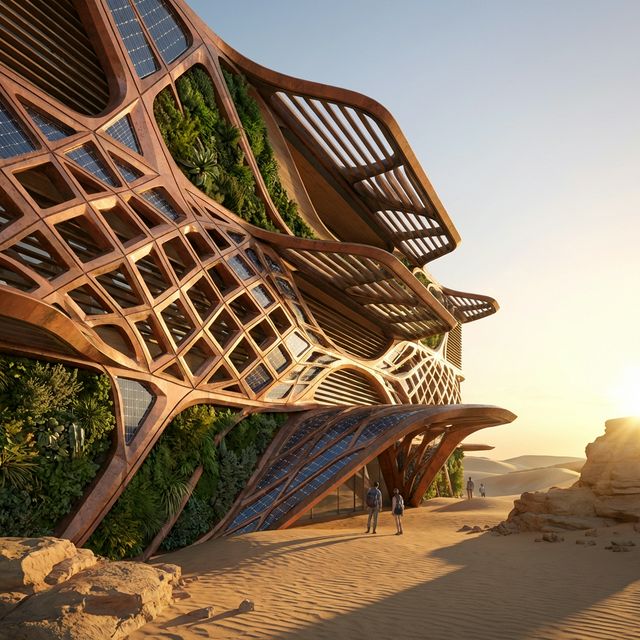
At the same time, regional governments are setting ambitious sustainability targets. Green building certifications like Estidama (UAE), GSAS (Qatar), and LEED are becoming requirements, not options. The result is a growing need for design tools that can quantify energy performance early in the design process — and that is where BIM comes in.
How BIM Supports Sustainability
BIM’s value for sustainability goes far beyond visualization. When a Revit model is enriched with material properties, thermal values, and MEP system data, it becomes a simulation-ready platform for energy analysis. Here is how BIM supports greener outcomes:
- Solar Gain Analysis: Tools like Autodesk Insight analyze the sun’s path across the building envelope, helping designers optimize facade orientation, window sizing, and shading devices to reduce unwanted heat gains.
- HVAC Load Calculations: Precise thermal modeling in BIM provides accurate cooling load data for each zone, allowing MEP engineers to right-size HVAC equipment rather than over-specifying — a common source of energy waste.
- Material Performance Modeling: BIM models can store U-values, thermal mass properties, and reflectance data for every material in the building. Designers can test different wall assemblies, glazing types, and insulation strategies in the model before procurement.
- Daylighting Simulation: By simulating natural light distribution, BIM helps reduce reliance on artificial lighting while managing glare and heat — balancing occupant comfort with energy efficiency.
The MEP Coordination Factor
Sustainability is not just about design intent — it depends heavily on how well mechanical, electrical, and plumbing systems are coordinated and installed. Poorly coordinated MEP runs lead to longer duct routes, additional fittings, and higher pressure drops — all of which increase energy consumption.
BIM-based clash detection and spatial coordination ensure that HVAC ducts, chilled water piping, and electrical trays are routed efficiently. When MEP models are built to LOD 400 or LOD 500, the coordination is precise enough to support pre-fabrication, further reducing waste and on-site rework.
Energy Modeling
Run energy simulations directly from BIM models to predict annual energy consumption, peak cooling loads, and carbon output before construction begins.
Certification Support
BIM data can be exported to support GSAS, Estidama, and LEED documentation requirements, providing the quantitative evidence needed for energy and material credits.
Lifecycle Analysis
BIM enables whole-life cost and carbon analysis, helping owners and developers make informed decisions about materials and systems that will perform over the building’s full lifespan.
Key Takeaway: In a region where cooling dominates building energy budgets, BIM provides the analytical tools to cut consumption at the design stage. Combined with precise MEP coordination and material analysis, BIM-driven sustainability workflows are essential for meeting the GCC’s net zero ambitions.
Leave a Reply